
In honor of National Nurses Month, we’re featuring some of AACN’s own staff nurses in this month’s blog. These esteemed nurses have years of experience in the field and valuable wisdom to pass on to the next generation of nurses. We asked each of them one question about their nursing journey.
Dr. Brigit Carter – Chief Access and Engagement Officer
What led you to your decision to become a nurse?
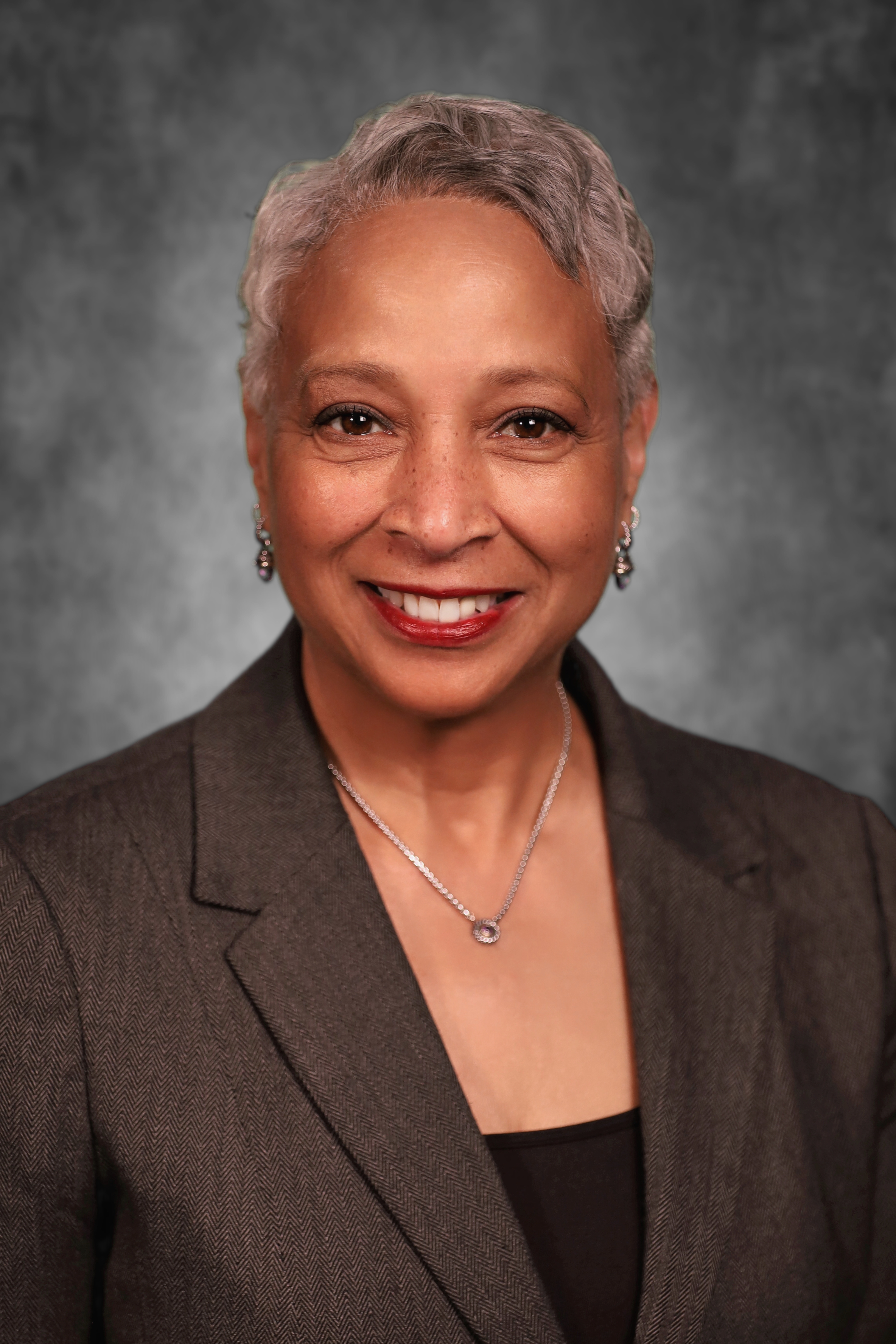
Initially, it was my passion for service. I served in the U.S. Navy and as a City of Atlanta Police Officer. Both filled that service need, but then I started working with Navy Nurses and found out more about what nurses actually did. I soon realized that was a connection I wanted: working directly with people to support them as they moved through the healthcare system. I started volunteering in the Neonatal Unit while I was working on pre-requisites for nursing school, and realized that what I saw in that unit was my future in nursing. I saw teamwork, love, and passion for the population of preterm and full-term infants they were caring for, and for the families of those infants. I also saw true caring for each other. Those nurses I worked with remain connected with each other! Nursing is caring and compassion - not only for patients, but for each other! LOVE IT!
Dr. Susan Corbridge – Chief Education Innovation Officer
What has been the most rewarding aspect of your nursing career?
The most rewarding aspect of my nursing career has been the opportunity to serve — patients, communities, and the profession itself — while helping to shape the next generation of nurses. Over the past 35 years, nursing has brought me tremendous joy, honor, privilege, and purpose. When I first entered the profession, I could not have fully imagined what a life of service in nursing would mean.
Growing up in rural Illinois, I witnessed firsthand the health disparities faced by hardworking families — particularly farmers navigating limited access to care and the burden of paying for their own insurance. Those early experiences drew me to nursing with a deep commitment to equity and access.
As a new nurse in a busy medical intensive care unit on the west side of Chicago, I found my footing in caring for some of the most critically ill patients. I remained on the west side for more than 30 years, eventually becoming a pulmonary nurse practitioner and later leading a federally qualified health center in one of the city’s most underserved communities. Throughout that time, my focus remained constant: delivering the highest quality care and improving patient outcomes.
Early in my career, I discovered a love for precepting and mentoring new nurses. That passion led me into academia, where I realized that one of the most powerful ways to influence the future of healthcare is through education. Teaching and mentoring nursing and nurse practitioner students has allowed me to extend my impact far beyond any single patient encounter — while remaining deeply grounded in clinical practice. Staying connected to patient care has always been essential to me; it keeps my teaching relevant, my perspective authentic, and ensures that the individual patient remains at the center of all I do.
Pursuing a PhD was a natural extension of that commitment. I wanted to contribute to nursing science — generating new knowledge that advances our profession, improves care, and ultimately enhances the health of individuals and communities. Equally important has been the opportunity to mentor graduate students and faculty, supporting others in their own journeys of inquiry, leadership, and impact.
At my core, I remain grounded in a deep commitment to patients and to the profession of nursing. The greatest reward has been the ability to lift others — patients, students, and colleagues — and, in doing so, to contribute to improving the health of our world.
Dr. Cassie Godzik – Director of Nursing Education Initiatives
How did you select your nursing program(s)?
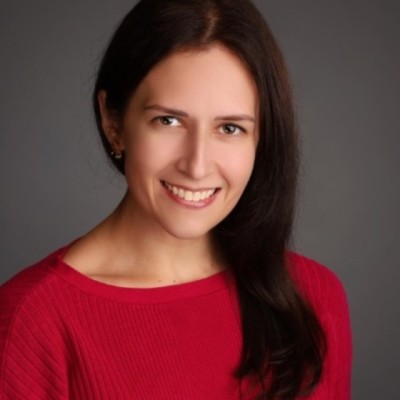
From my perspective, selecting my nursing program was a very intentional and strategic decision, really grounded in where I had already been academically and clinically. I came into nursing with an undergraduate degree in psychology and neuroscience, along with several years of experience as a nursing assistant and as an EMT on a rescue ambulance. Those experiences — paired with my research work in the Family Development Lab — really solidified my interest in psychiatric and mental health nursing.
Because of that, I was specifically looking for an Accelerated BSN program that would allow me to build on my prior education and move efficiently into an MSN program in psychiatric nursing. I also knew I wanted to stay in New England and be near a major city. What ultimately drew me to Regis College was its mission and values — particularly its focus on service and caring for others — which really resonated with me.
I always encourage others to think strategically about their educational pathway —consider what degrees you already have, what you ultimately want to do, and how a program’s structure, location, and extracurricular opportunities, like study abroad, can help you get there.
Dr. Cynthia Leaver – Director of Academic Nursing Development
What do you wish you had known about the profession before you started nursing school?
Before starting nursing school, I wish I had known just how multifaceted the nursing profession is. Nursing goes far beyond administering care; it requires being an advocate, communicator, and educator for patients and their families. Nurses play a pivotal role in shaping the health and well-being of individuals, families, and communities, often reaching outside the walls of hospitals and clinics. I didn’t fully appreciate the importance of a strong theoretical foundation and how critical teamwork is in delivering quality care.
Understanding the significance of holistic care and adapting to each patient’s unique needs would have given me better insight into the depth of responsibility nurses hold. The profession demands continual learning, flexibility, and the ability to influence health outcomes and engagement with the environment. If I had realized the breadth of roles and the lasting impact nurses make, I would have been more prepared to accept the amazing rewards of this fulfilling career.
Dr. Wanda Thruston – Director of Access and Engagement
What is your top piece of advice for a student considering a career in nursing?
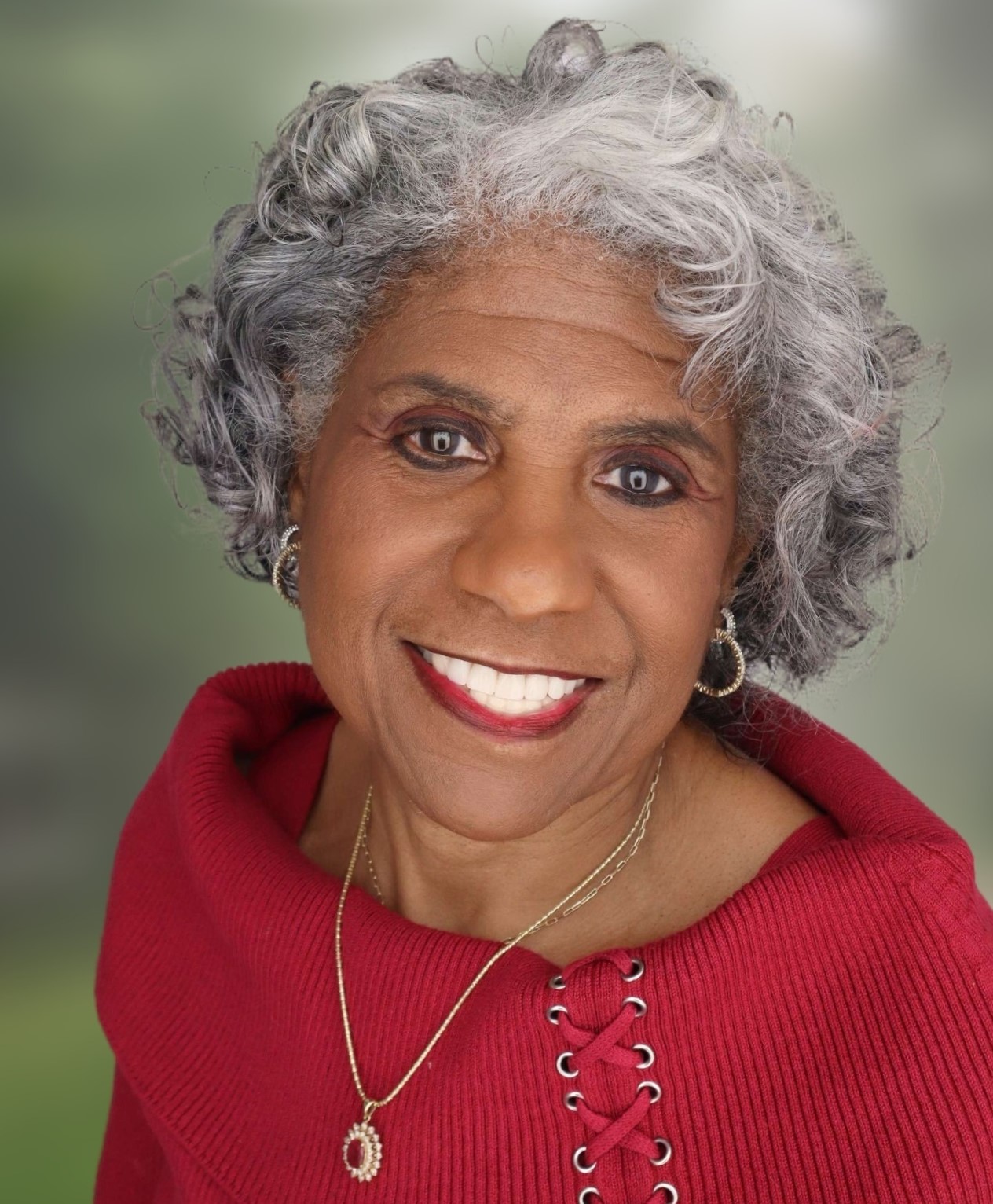
My top piece of advice for someone considering a nursing career is to focus on becoming an excellent learner of people, not just an expert in tasks. Nursing is not only about clinical skills, it’s about understanding the full picture of a person’s life and how that shapes their health, decisions, and outcomes.
This means listening closely — not just to what people say, but what they don’t say. It requires paying attention to their experiences, support systems, challenges, and strengths. The best nurses recognize that two people with the same diagnosis may need very different approaches to care.
You will be trusted in some of life’s most vulnerable moments. Technical competence matters, but how you connect with people, adjust to their needs, and respond in the moment is what matters.
If you commit to curiosity, humility, and continuous growth, nursing gives you the chance to make a real difference in people’s lives.